
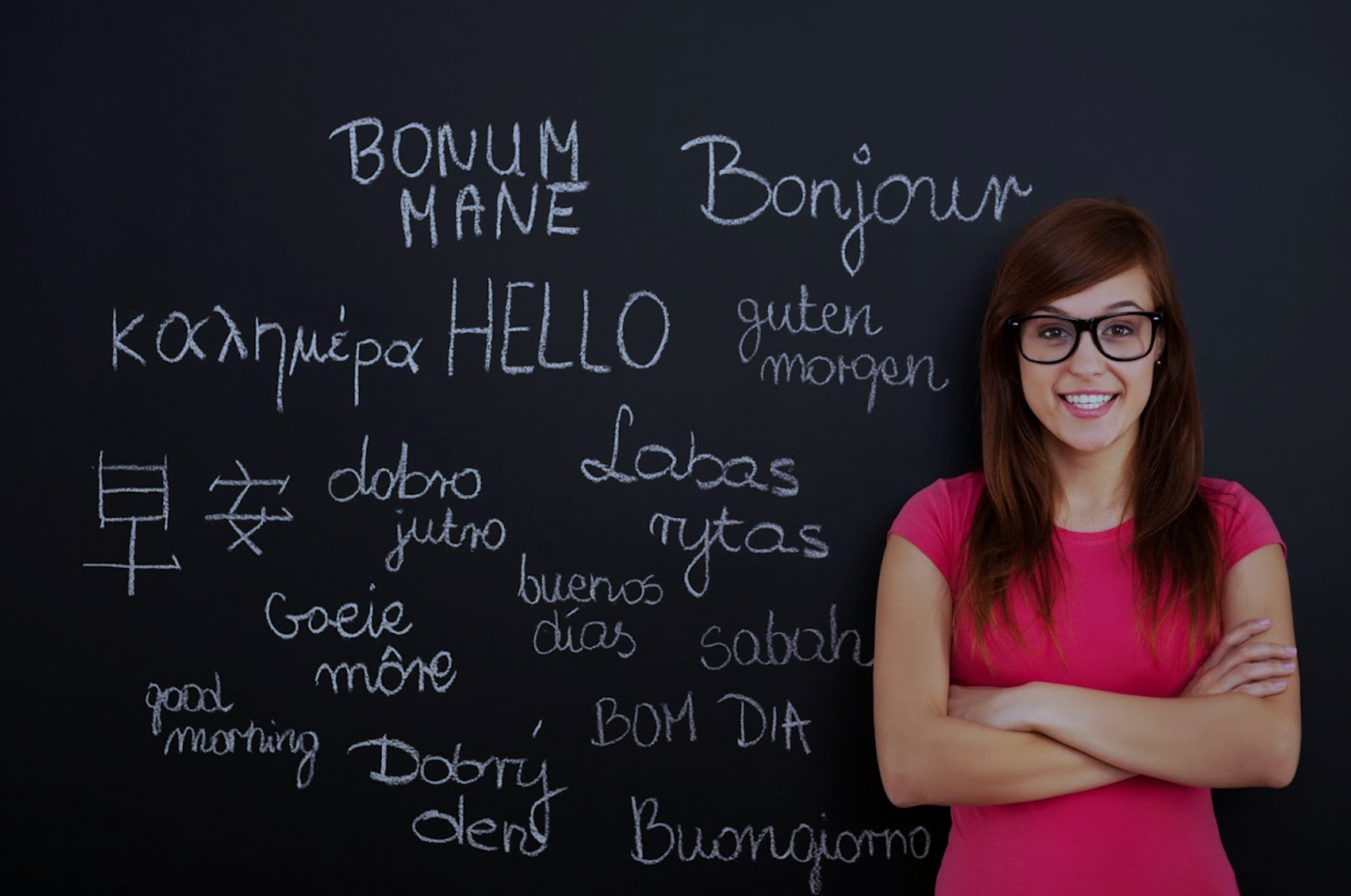
Bilingual parenting is more central today than ever. This is not only because there are more international couples, with one parent speaking a different language than the other. Parents are also more interested in multilingualism as they themselves travel or work more in international settings.
However, bilingual parenting also brings some challenges and question marks. Are you curious about how to raise your child in other languages? With this handy overview, you can get started on raising your child with bilingualism.
Why choose a bilingual education?
A bilingual upbringing offers many benefits, and at any age. For example, researchers have made many important findings in children exposed to multiple languages at an early age.
A study shows that the brains of multilingual children develop differently. These children make multiple connections, requiring the brain to work harder to find the right one. For example, pronouncing "dog" activates associations in two languages in a multilingual child. The brain then searches for the right answer in the right language. Because of that brain activity, their brain is more flexible.
Multilingualism also has many advantages later in life. Speakers of multiple languages can focus better and remember more information. Well-developed cognitive skills make it easier for them to jump between tasks.
Multilingualism, of course, also opens many doors for your child's choice of study and job. With a high level in English, they can later study abroad, do an international internship or work at a multinational company.
How do you raise your child bilingually?
A distinction is made between two types of multilingual education: simultaneous or successive. The choice depends on your own language skills as well as your child's age and personality.
In simultaneous bilingual parenting, a child is immersed in both languages from birth. For example, one parent speaks Dutch while the other speaks in English. Children's brains are very flexible and can quickly pick up on these differences. However, a good knowledge of English is very important, and that both of spelling and grammar. This will prevent your child from learning incorrect sounds, words or sentence structures.
In successive bilingual parenting, the language is not offered until a later age, such as at school or at a language camp. So your child already has a good foundation in the mother tongue before another language is learned. For many parents, this is a convenient solution. Your child learns another language easily, quickly and flawlessly.
Frequently asked questions about bilingual parenting
Won't my child be confused by these two languages?
Children can learn and understand and apply rules very quickly. They easily adapt their language to the person or situation, even without realizing it. For example, a child may speak English with one parent, and Dutch with another. Language may also be location-specific. For example, they may realize that they speak Dutch at home, but communicate in English at school.
They may initially incorporate Dutch words into an English sentence, or vice versa. However, that stops as the children continue to grow up and gain experience with the languages.
I don't speak English very well myself. Is it still a good idea to speak English?
If your own second language is limited, it is better to just speak Dutch. It is especially important to give them a good foundation in their mother tongue. They use that basis to acquire and anchor the second language. They then learn the second language, such as English, with teachers or monitors, for example at school or camp.
Will my child learn both languages well?
For language acquisition, it is best to start offering both languages as early as possible. The younger they start learning another language, the more likely they are to pick up both languages as their mother tongue.